
Scandinavian Style Decoration: Simplicity, Functionality, and Hygge
During the 1940s, a distinct design movement emerged, which was a combination of beauty, simplicity, and functionality. The element of functionality was greatly influenced by Scandinavian history, as the Viking period played a significant role in Scandinavian culture. This period can be considered the beginning of the creations of Scandinavian design. The style carried the main characteristics of that era into its modernist approach to national decorative arts.
History and Philosophy: The "Democratic" Design
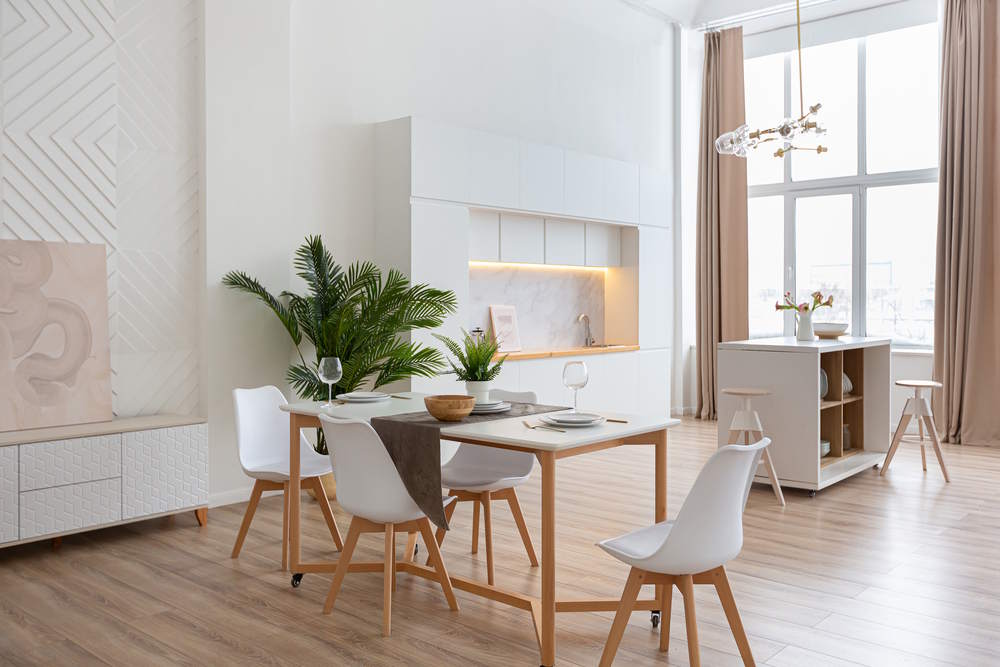
The formation of Scandinavian modernist design may have started in the 1940s, but it was not until the early 1950s that it began to take shape as a recognizable entity.
The modern decorative style was heavily influenced by the emergence of Scandinavian design on the global stage. Gordon described Scandinavian design as an alternative to the design fascism of the Nazi era, characterizing it as democratic, natural, minimalist, intimate, and focused on the home and family, not the state. This philosophy ensured that quality and design would be accessible to everyone.
Although its popularity waned between the 1960s and 1980s, the renewed focus on sustainability during the 1990s and early 2000s gave the trend new life, highlighting its timeless value.
Sell with us and Earn the brokerage fee + Extra Bonus
Work exclusively with Your Home Sold™ for a safe, fast, and profitable sale of your property and earn not only our brokerage fee, but also an additional gain on the final sale price. The most profitable option is here.
Colors and Brightness: Cool Tones and Hygge
Regarding the codes that characterize the Scandinavian style of decoration, the colors that prevail are mainly cool and soft shades.
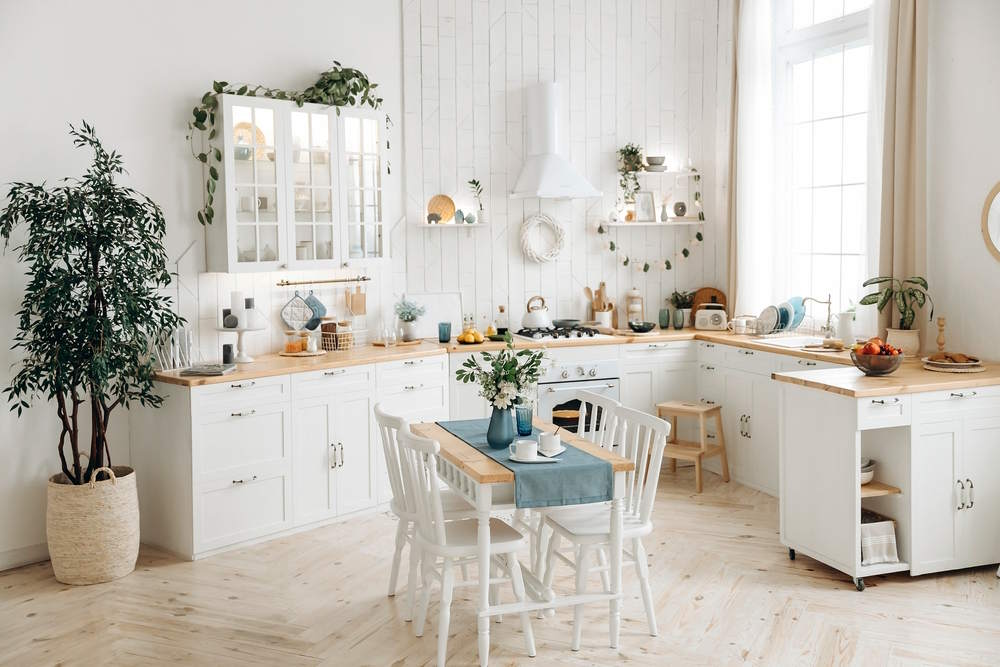
Scandinavian decoration relies on cool colors, such such as blue or white. These shades are found everywhere, so they can be mixed with other pastel colors such as pink or pastel green.
Most furniture compositions were uncluttered and simple, giving the entire space a warm feeling of contentment described as “hygge” in Danish (a concept that translates to comfort, well-being, and satisfaction with life). The use of light colors (especially white) and the avoidance of heavy curtains are strategic choices to maximize the scarce natural light of the northern countries, thereby enhancing the feeling of “hygge” and well-being.
Complete Real Estate Agency Services
Textures, Patterns, and Combinations: Natural Warmth
Regarding textures and patterns, natural textures are observed in the Scandinavian style, with an emphasis on light-colored wood (such as beech, pine, or birch wood) and fabrics and materials, such as cotton and wool, which add softness and warmth to the space.
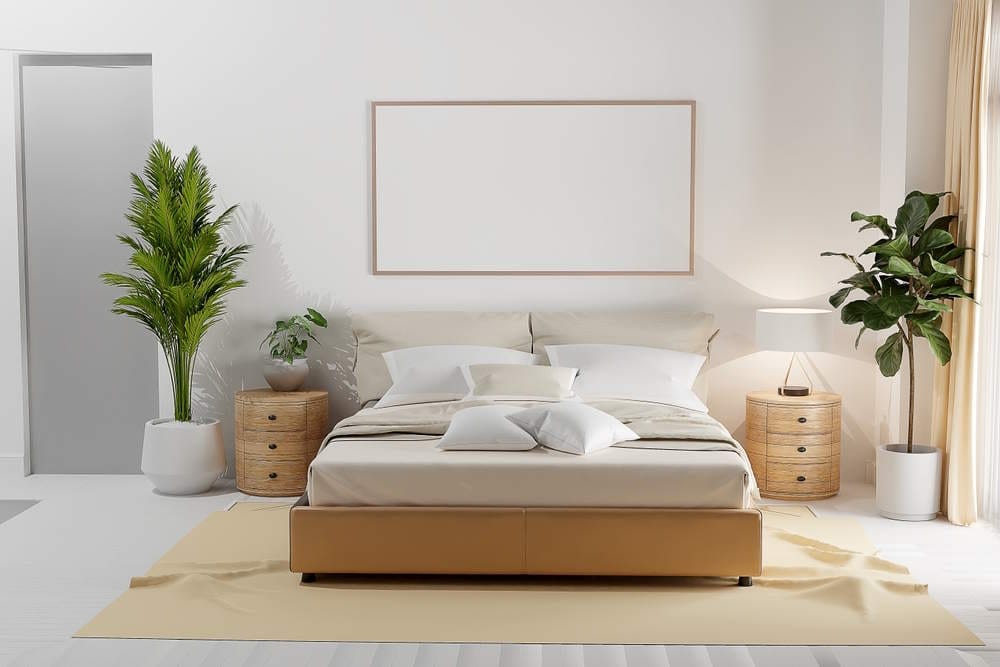
Thus, the right combination for a Scandinavian decoration results from the union of materials, such as wood and cotton. For example, cotton and plaid cushions, together with a wooden coffee table create the perfectly harmonious result for a Scandinavian style of decoration. This combination of natural elements and soft fabrics ensures that, despite the minimalist approach, the space remains inviting and warm.
The Scandinavian Style combines Minimal Design with energy saving, emphasizing natural lighting. If functionality and light are priorities for you, the Contemporary Style might be the ideal one.