
Art Déco: Luxury, Geometry, and Technological Progress
The term Art Déco, meaning "Decorative Art," refers to an international artistic movement that flourished globally during the 1930s and 1940s and subsequently faded after the era of World War II. This new style was first showcased at the International Exhibition of Modern Decorative and Industrial Arts (“Exposition Internationale des arts decoratifs et industriels modernes”) in Paris in 1925, which was visited by sixteen million citizens from across Europe. A characteristic feature is that it combined modern styles with exquisite craftsmanship and rich materials.
Historical Origin and Philosophy of the Movement
The Art Déco style broke all ties with the prevailing “New Art” (Art Nouveau) and sought a new expression in architecture, painting, and graphic arts. During its peak, it represented luxury, glamour, exuberance, and a belief in social and technological progress.
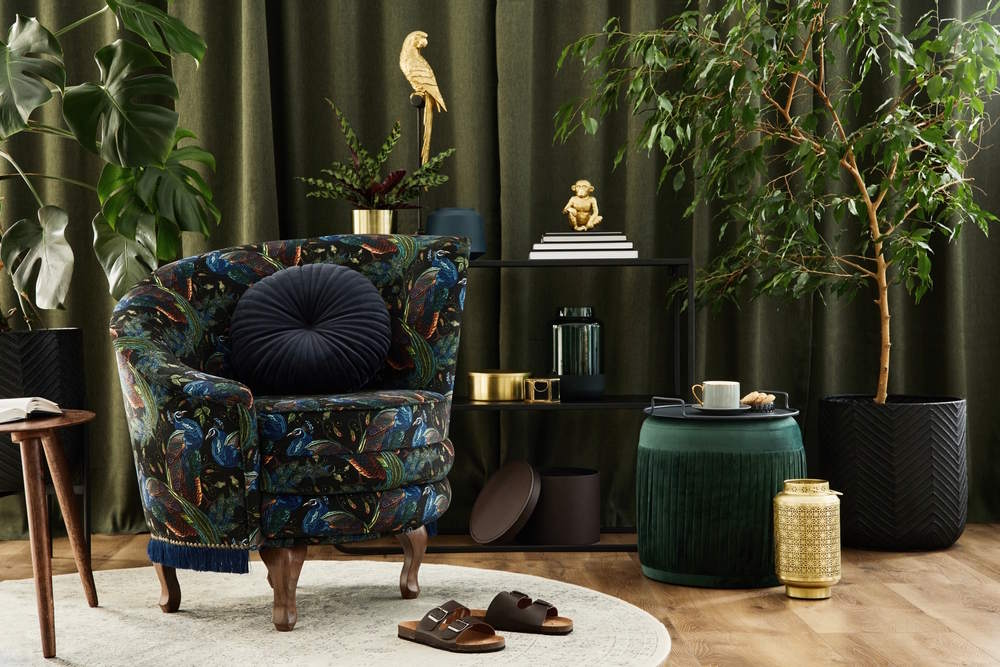
Art Déco was an international style that could be adapted to man-made objects. The goal was always to achieve a monolithic appearance with applied decorative motifs. The Art Déco movement significantly influenced many architects and was the foundation for outstanding achievements, bringing a sense of modernization and dynamism to everyday life.
Sell with us and Earn the brokerage fee + Extra Bonus
Work exclusively with Your Home Sold™ for a safe, fast, and profitable sale of your property and earn not only our brokerage fee, but also an additional gain on the final sale price. The most profitable option is here.
Influences, Patterns, and Geometric Forms
The Art Déco style was heavily influenced by pre-modern art from around the world during the 1920s. There was also popular interest in archaeology, due to excavations in Pompeii and Troy. Thus, artists and designers incorporated motifs from ancient Egypt, Mesopotamia, Greece, Rome, Asia, Central America, and Oceania.
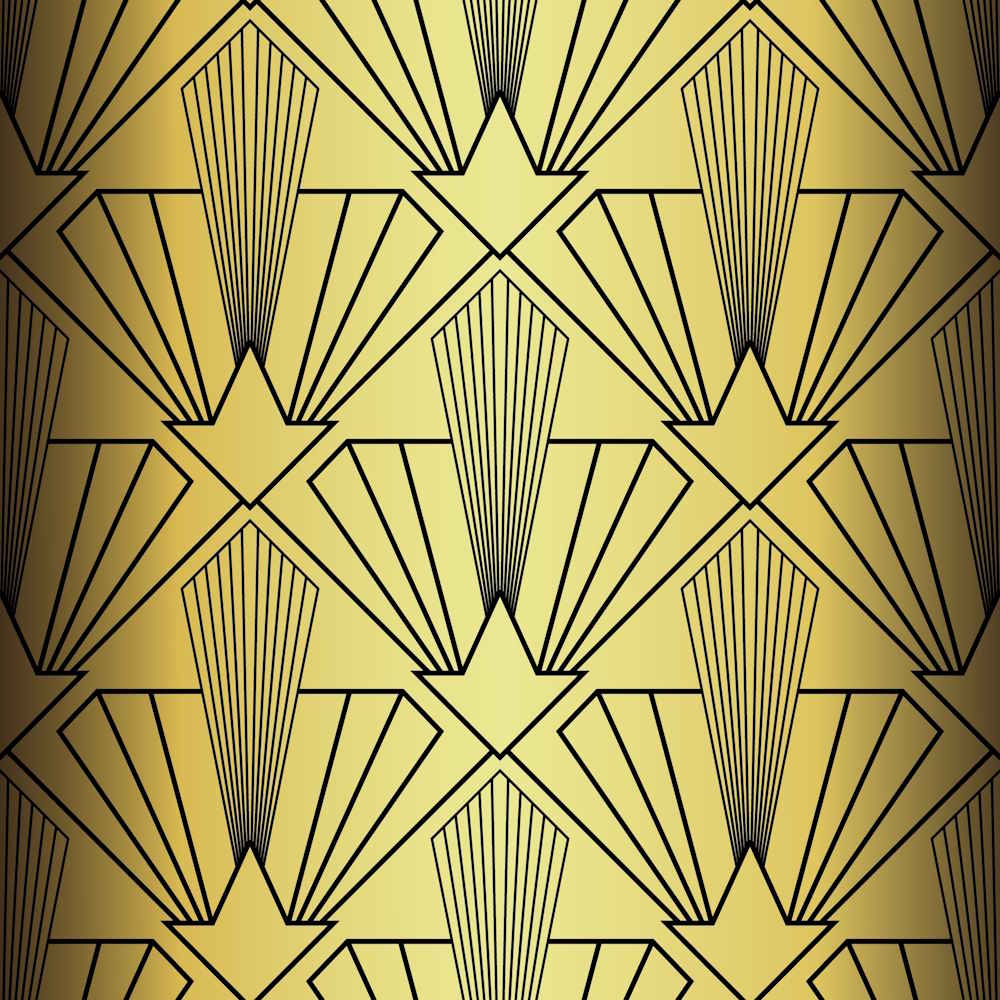
Déco was also influenced by different art movements ranging from Cubism to Futurism. Patterns are characteristic of the Art Déco style, inspired by architecture, featuring unique geometric forms (e.g., zig-zags, sunbursts, or stepped pyramids). The pursuit of geometry and order was central, lending a sense of solidity and progress.
Complete Real Estate Agency Services
Colors, Textures, and the Ultimate Art Déco Composition
The colors that heavily prevail in this specific style of decoration are generally quite dark, either cool ones like duck egg blue and pine green, or warmer ones like aged pink and burgundy. These palettes can be mixed for greater contrasts.
Regarding textures, velvet is a key element and is found on seating (such as armchairs and sofas), curtains, and cushions, bringing warmth and softness. Marble is also present for its elegant, noble, and timeless quality.
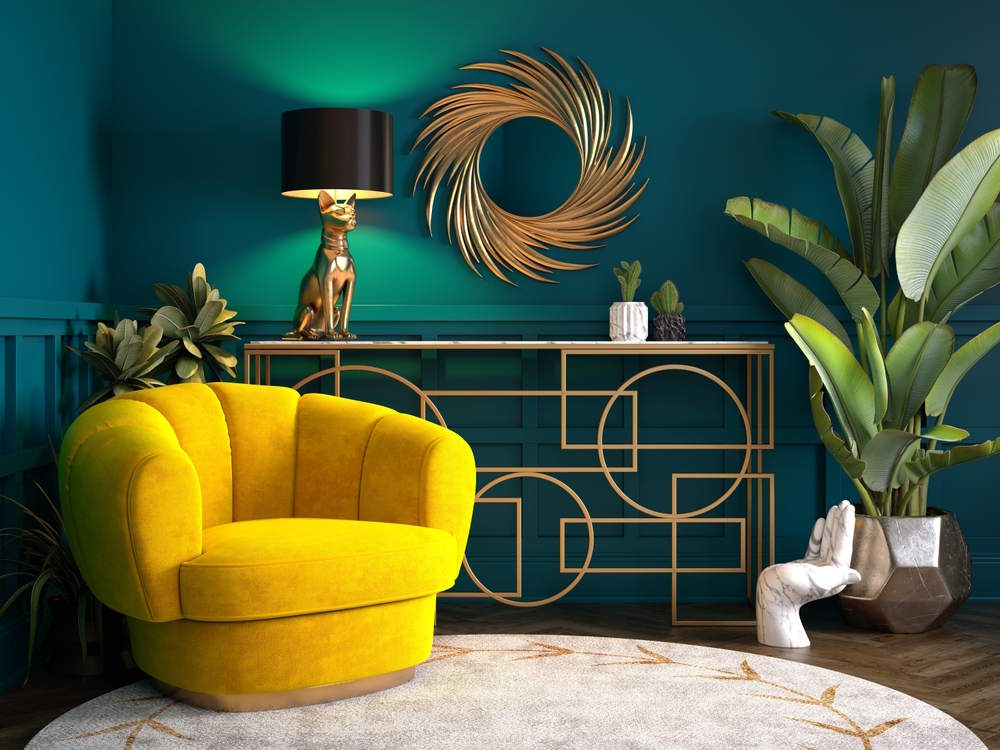
Touches of gold (such as brass gold) are essential for the chic and opulent side of the Art Déco style. Consequently, the appropriate combination for a space where Art Déco prevails is velvet with brass gold. Velvet brings warmth, while brass gold offers light and a sense of richness to the space.
Find more about other styles of decoration, like classic, vintage and minimal.